








The term Asbestlint originated in the history of European industry, particularly in German-speaking countries, where it was used to describe asbestos tapes and sheets. For decades, this material was considered an effective and heat-resistant insulator in harsh industrial environments. Its strength, durability, and resistance to extreme temperatures made it a reliable tool in factories, power plants, and construction sites.
At its peak, it symbolized technological progress and fire safety. Engineers and technicians relied on Asbestlint to protect equipment, seal joints, and insulate pipes carrying steam and hot gases. Back then, productivity and efficiency were the priority, so little attention was paid to the long-term health effects associated with asbestos fibers.
Today, Asbestlint no longer enjoys the same reverence it once did. While it remains an important key term in discussions about industrial and safety history, it also serves as a reminder that materials once considered durable and useful can pose serious hazards over time. Understanding Asbestlint helps us learn from the past and make more informed decisions about material safety today.
Origin and Significance of Asbestlint
The term “Asbestlint” is derived from the words “asbest” (meaning asbestos) and “lint” (meaning strips or band material). This name clearly reflects that asbestos flakes were produced in the form of a flexible, woven tape, making them easy to wrap and apply. Their structure allowed them to conform to irregular surfaces, making them very practical in industrial settings.
Asbestos is a naturally occurring mineral known for its resistance to heat, fire, and chemicals. Its use in tape form further expanded its applications. Wrapped tightly around pipes, valves, and fittings, it served not only as insulation but also as a protective barrier against heat loss and the spread of fire.
The popularity of Asbestlint grew rapidly during the industrial development of the 20th century. At that time, there was a high demand for materials capable of withstanding harsh operating conditions, and Asbestlint perfectly met this demand, earning a reputation as a reliable and durable industrial solution.
Industrial Applications of Asbestlint
Asbestlint was widely used in heavy industry, such as power generation, shipbuilding, and manufacturing. One of its main functions was as insulation, especially in environments with temperatures too high for conventional materials. Wrapping hot pipes with Asbestlint maintained efficiency and reduced the risk of burns to workers.
Another important use of Asbestlint was fire protection. Since asbestos is flame-resistant, this tape was used in applications where fire resistance was essential. It was often used around boilers, furnaces, and exhaust systems to prevent heat from spreading to nearby components. Therefore, asbestos yarn played a vital role in industrial safety plans.
In addition to its insulating and fire-resistant properties, it also served as a sealant. Thanks to its fibrous structure, asbestos could be used to fill gaps in steam and hot liquid transport systems, preventing leaks. This versatility led to the widespread and prolonged use of asbestos fiber in various applications.
Why was Asbestlint considered durable?
The strength of Asbestlint is due to the unique properties of asbestos fibers. These fibers are extremely durable and resistant to physical degradation, even under constant exposure to heat and friction. This allows it to be used for years without needing replacement, reducing maintenance costs.
Another reason Asbestlint was considered durable was its combination of strength and flexibility. Unlike rigid insulation panels, asbestos twine could be coiled, bent, and molded as needed. This flexibility simplified installation and allowed its use in complex systems where rigid materials would degrade.
Asbestlint also performed well when exposed to chemicals. While many materials degrade rapidly in industrial environments with oil, gas, and chemicals, Asbestlint retained its structure, further solidifying its reputation as a reliable and durable industrial material.
Health and Safety Concerns Associated with Asbestlint
Although asbestos fiber exhibited excellent performance properties, it presented potential risks that were not fully understood at the time of its introduction. The main risk lay in the asbestos fibers themselves. If damaged, they could be released into the air and, if inhaled, pose a serious long-term health risk.
Asbestlint were especially dangerous during installation, maintenance, and dismantling. Cutting, tearing, or aging could release tiny fibers into the air. Because the dangers of Asbestlint were not yet widely known, workers who routinely handled them were often exposed without adequate protective equipment.
Over time, scientific research revealed a strong link between asbestos exposure and serious respiratory illnesses. This discovery changed the understanding of asbestos-like materials and shifted the focus of the debate from performance to prevention and safety.
Restrictions and Reduction in the Use of Asbestlint
As awareness of the health risks associated with asbestos increased, governments around the world began to impose strict regulations. Many countries banned the production and sale of products containing asbestos, including Asbestlint. These regulations marked a turning point in industrial materials standards.
The decline in the use of asbestos fiber was gradual but decisive. Industry was forced to replace it with safer alternatives, and existing equipment required careful handling. Special procedures were introduced for the handling and disposal of asbestos materials to prevent the release of asbestos fibers.
Today, Asbestlint is rarely found in new construction and is used primarily in older buildings and industrial systems. In these cases, asbestos fiber is considered a dangerous relic of the past, requiring responsible handling rather than reuse.
Modern Alternatives to Asbestlint
The phase-out of Asbestlint from industrial use has created a demand for safer materials with similar properties. Modern alternatives, such as fiberglass and ceramic fiber tapes, fulfill many of the functions of asbestos fibers without the associated health risks. These materials offer excellent heat resistance and are safe to handle.
Advances in materials science have also driven the development of insulation solutions that are superior to traditional asbestos materials. These alternative materials are durable, flexible, and designed with environmental safety in mind, meeting modern safety standards.
The transition away from asbestos demonstrates that innovation can replace even the most established materials. This underscores the importance of ongoing research and adapting industrial methods to protect both workers and the environment.
The Importance of Awareness Today
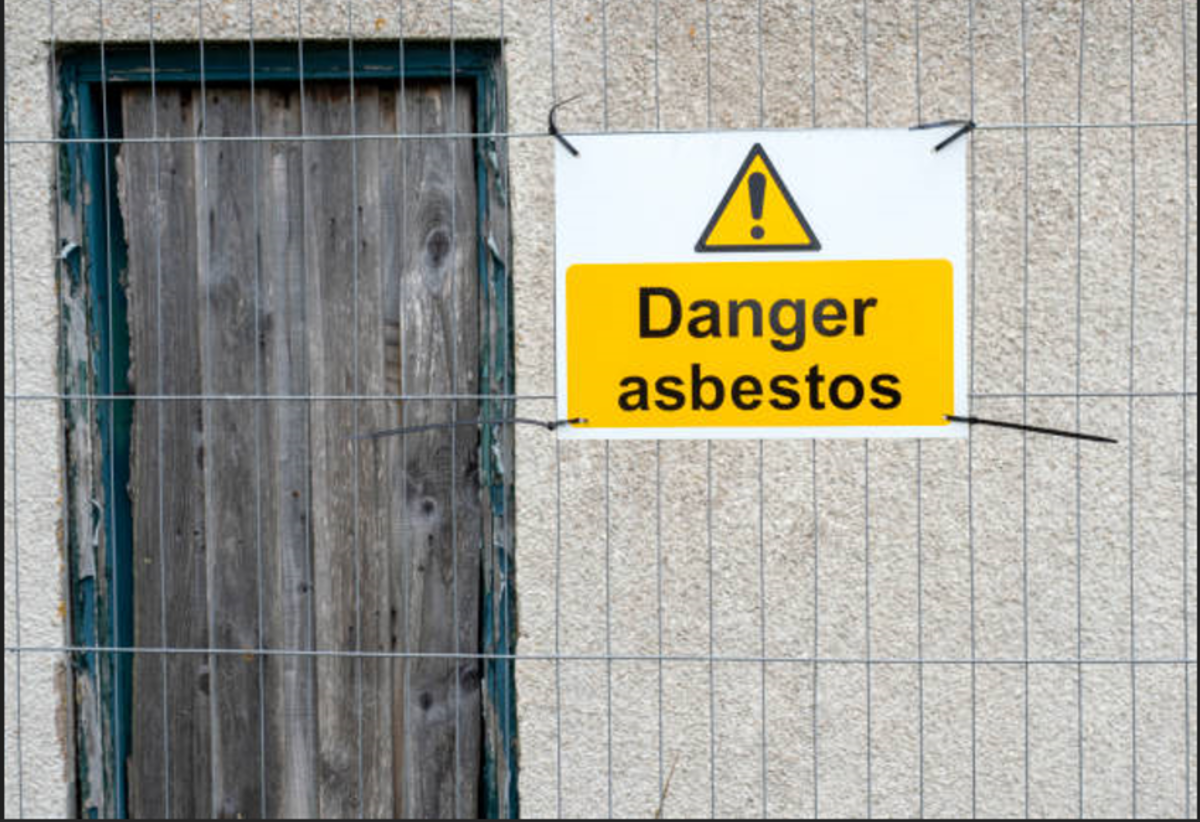
While Asbestlint are no longer commonly used, awareness remains crucial. Many older buildings and industrial facilities may still contain asbestos-based materials, including asbestos fiber. Proper identification and handling of these materials are essential for safety.
Education plays a key role in preventing accidental exposure. Understanding what asbestos is and why it is dangerous will help you make informed decisions during renovations or industrial maintenance. This knowledge can prevent serious long-term health consequences.
Asbestlint is a model of material safety today. It reminds us that performance alone is not enough and that long-term health and environmental impacts must always be considered when selecting industrial materials.
Conclusion
Asbestlint represents both ingenuity and oversight in industrial history. Once valued as a durable and reliable solution for insulation and fire protection, it later became a symbol of hidden risks and the need for greater safety awareness. Its history illustrates how, as knowledge advances, a material evolves from an indispensable tool to a regulated hazard.
Today, asbestos fiber is no longer part of modern construction and manufacturing practices. Instead, it is subject to education, regulation, and careful management. Safer alternatives have taken its place, and innovations have demonstrated their ability to address operational and health issues.
Understanding the role of asbestos fiber provides valuable insight into the importance of responsible material use. Learning from past lessons can help ensure that future industrial decisions prioritize not only efficiency but also the well-being of people and communities.
Frequently Asked Questions
What was Asbestlint historically used for?
Historically, Asbestlint was used as an insulating, sealing, and fireproofing material in industrial settings, especially around high-temperature equipment such as boilers and pipes.
Is Asbestlint still used today?
In most countries, strict regulations and bans on the use of Asbestlint have led to the abandonment of asbestos fiber. Its use is now limited to older systems.
Why is Asbestlint considered dangerous?
Asbestlint contains asbestos fibers, which can pose a serious health risk if inhaled. These risks have led to widespread bans and safety regulations.
What should I do if I discover Asbestlint in an older building?
If Asbestlint is discovered, do not move it. A professional assessment and safe handling or removal methods are recommended.
What are the alternatives to Asbestlint?
Modern alternatives, such as fiberglass tape and ceramic fiber materials, have replaced Asbestlint, offering similar performance and reducing health risks.